
Being locked out of your own safe is stressful, especially when something important is inside. The good news is that most lockouts can be solved without damaging the safe. Work through the checks below first, and do not reach for a drill.
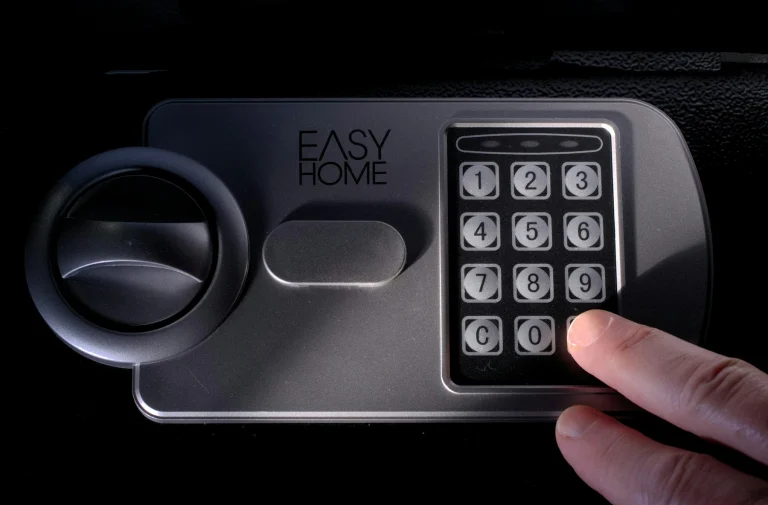
Digital locks: check the batteries
A flat battery is the most common reason a digital safe will not open. Signs of a low battery include:
- the keypad beeping or flashing repeatedly when you enter the code;
- a weak or no response from the keypad;
- the lock clicking but not releasing.
On many digital safe locks the batteries are in the keypad on the outside of the door, so they can be changed while the safe is locked. Check your safe’s manual. Use fresh, good-quality alkaline batteries, and replace all of them at once. Many locks keep their code even when the batteries go flat, so your usual code should work again once the batteries are replaced.
Digital locks: wrong code penalty
Many digital locks shut down for a few minutes after several wrong codes in a row. If the keypad stops responding after a few attempts, wait before trying again, and enter the code slowly.
Combination dials: slow down
Mechanical combination locks are precise. If the safe will not open:
- check the direction and number of turns in your instructions;
- turn the dial slowly, and stop exactly on each number;
- if you overshoot a number, start again from the beginning.
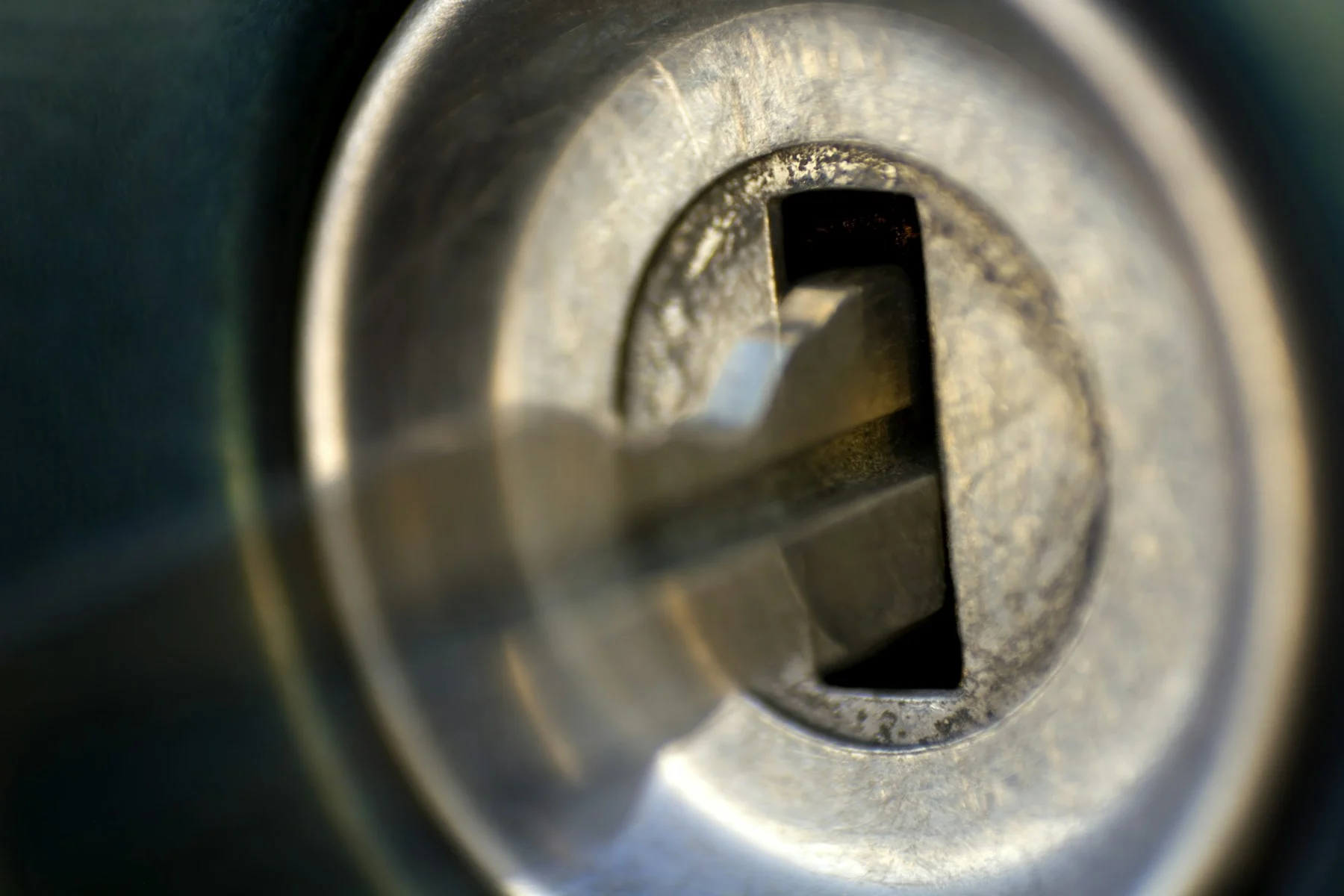
Lost the key?
Do not try to force the lock. A safe technician can open it and make a new key or re-key the lock.
What not to do
- Do not drill or pry the safe yourself. Many safes have relockers: extra bolts that fire when the safe is attacked, for example when a glass plate inside the door is broken by drilling. Once a relocker fires, the safe will not open even with the right code, and opening it becomes a much bigger and more expensive job.
- Do not hit, drop or tip the safe. A heavy impact can also trigger a relocker.
- Do not spray lubricant into the lock or keyhole.
- Do not cut into an old safe. Some older safes may contain asbestos in their seals or fill, so drilling or cutting them should be left to professionals.
Inherited a safe and no one knows the code?
This is more common than you might think. A safe technician can open it, then set a new combination or code, or make new keys, so you can keep using it.
We can open it
We open locked safes of all makes, including Chubb, Platinum and CMI, on-site or in our Lilydale workshop, and we offer emergency call-outs. Once your safe is open, we can change the combination, re-key the lock or upgrade it to digital. Read about safe opening and repairs, or call us now.