A good safe will outlast most of the things you put in it, so it pays to choose carefully. The right safe depends on three things: what you need to protect, where the safe will live, and what your insurer expects. Answer the six questions below and the choice becomes much simpler.
1. What are you protecting?
Start with the contents, because different valuables need different kinds of protection:
- Cash and jewellery need protection from burglary. Look at the safe’s cash rating and how it was tested.
- Documents such as wills, passports and property titles need protection from fire. Look at the fire rating.
- USB drives, hard drives and photos are damaged at much lower temperatures than paper, so they need a safe or insert rated for data.
- Firearms must be stored in a receptacle that meets the Tasmanian regulations for their category.
- Keys for a business, fleet or rental properties are best kept in a key safe or key cabinet.
- Daily takings in a shop are best handled with a deposit safe, so staff can drop cash in without opening the safe.
Most homes and offices keep a mix of these, which is why a safe with both a cash rating and a fire rating is often the right choice.
2. Fire, burglary or both?
Fire protection and burglary protection are tested separately. A fire rating says nothing about how well a safe resists a burglar, and a cash rating says nothing about fire. Some very heavy cash safes have no fire rating at all, while many fire safes have only modest burglary protection. Decide which risk matters most to you, or choose a safe rated for both. Our guide to safe fire ratings explains what the numbers mean.
3. How much protection do you need?
A cash rating is a dollar figure that indicates how much cash an insurer may be willing to cover in a safe. Match the rating to the value of what you keep inside, and check with your insurer before you buy. Insurers set their own conditions, and as a guide, one major insurer, Chubb Insurance Australia, suggests a safe cash rating of at least 10% of the value of the jewellery you insure. Read more in cash ratings and insurance.
4. What size do you need?
Measure what you want to store, then allow 40 to 50% extra room for the future. Most people underestimate. Then measure the space where the safe will go, and allow for:
- the door swing, so the door can open fully;
- the handle and dial, which add to the depth;
- the route in, including doorways, stairs and corners.
5. Where will it go?
Decide on the location before you buy. At home, choose a discreet spot that is not visible from a window. In a shop, choose somewhere staff can move cash to quickly. The floor matters too: concrete, timber and tiles are fixed differently, and a heavy safe needs a floor that can carry it. Most safes should be bolted down.
6. Which lock suits you?
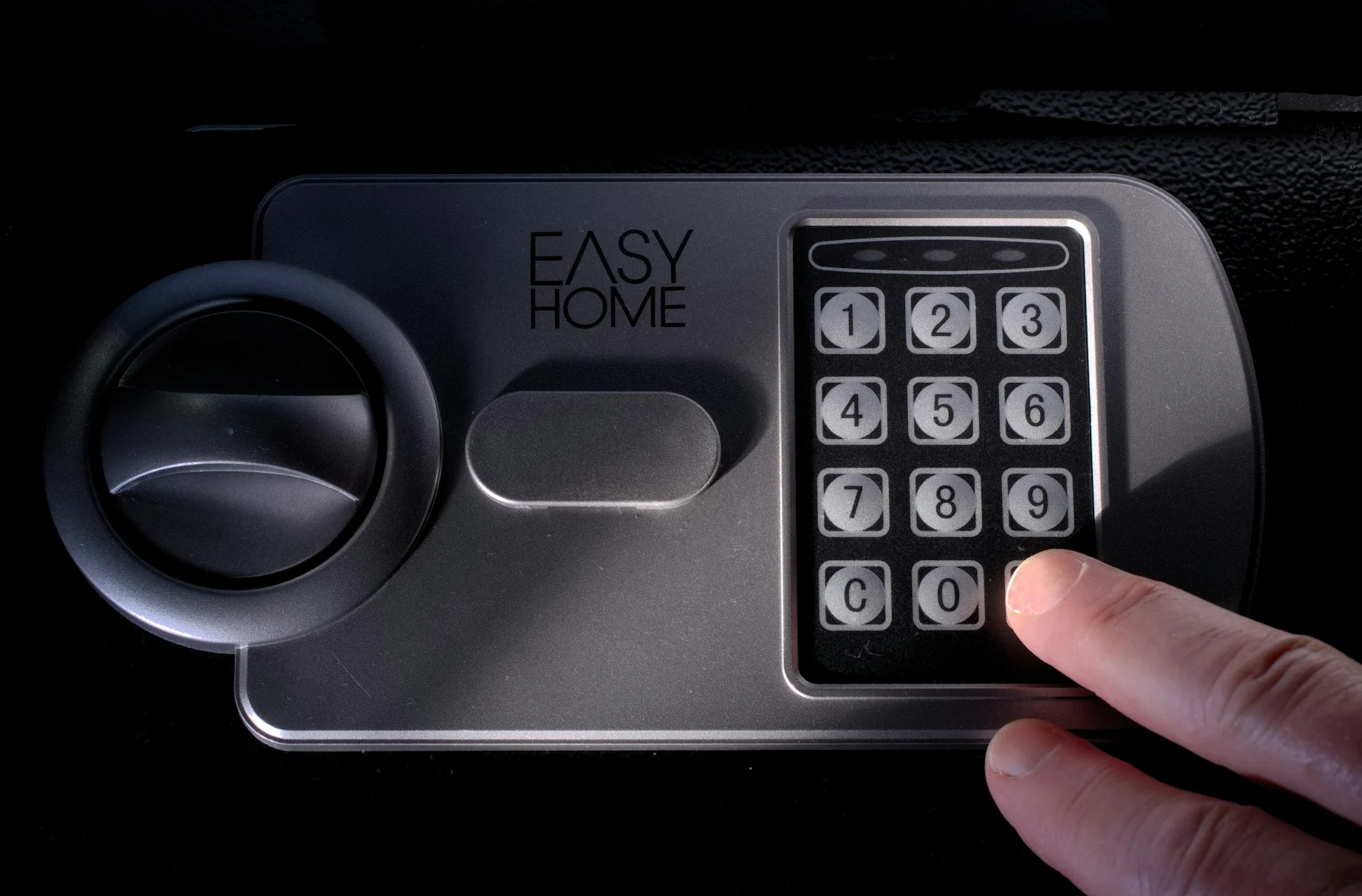
Digital locks are quick and easy to change; mechanical combination locks need no batteries; key locks are simple but the key must be kept secure. Some safes have two locks for extra security. See choosing a safe lock for the pros and cons.
Quick checklist before you buy
- List what you will store and its approximate value.
- Decide whether you need fire protection, burglary protection or both.
- Ask your insurer what rating and installation they require.
- Measure the contents, the space and the route in.
- Choose the location and check the floor.
- Choose a lock type you will be comfortable using every day.
Get advice before you buy
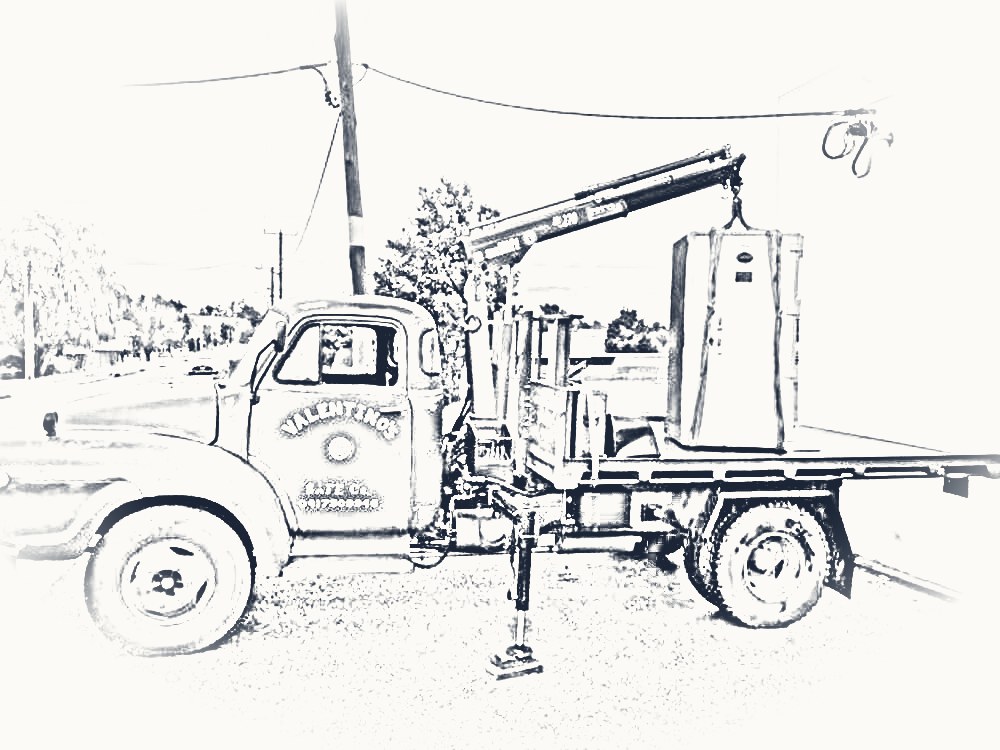
Purchasing a safe is a big investment, and the right advice makes all the difference. Browse our safes, visit our Lilydale showroom by appointment, or send us a message. We deliver and install safes anywhere in Tasmania, and quotes are free.